· 4 min read
Questions to Ask a Horse Rehab Farm Before You Send Your Horse
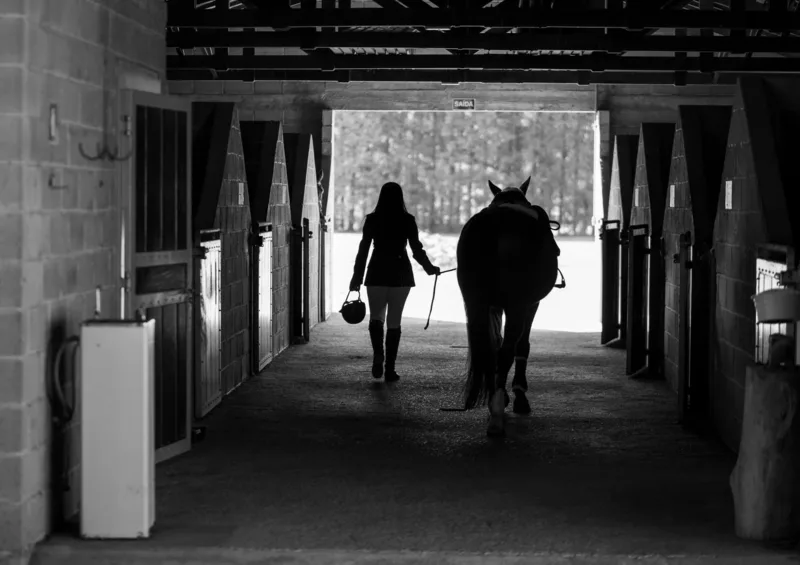
Sending a horse away for rehab is a big decision. You are handing over an animal you care about, at a time when it is hurt, to people you may have only just met. Most owners do it after one phone call and a look at a website.
A few good questions up front will tell you a lot. Here are the ones we would ask if we were in your boots, along with what a solid answer tends to sound like. Ask them of us, and ask them of anyone else you are considering.
This is general information, not veterinary advice. Your veterinarian should be part of the decision about where and when your horse goes for rehab.
1. How do you work with my veterinarian?
This is the first question for a reason. Rehab and veterinary care should run side by side, not in separate boxes.
A good answer: the farm stays in contact with your current veterinarian, shares what it is seeing, and keeps them informed as the program moves along. Ask how often, and who makes that contact.
Be careful if: the place talks as if it replaces your vet, or offers to diagnose your horse. A rehab farm that is not a veterinary practice should say so plainly.
2. What happens before the work starts?
A good answer: your horse is assessed in person, with its history and any veterinary findings in hand, before anything begins. The assessment should look at how the horse is actually moving and what it has been compensating with, not just the injured leg. (If compensation is new to you, our article on why horses compensate after an injury explains why it matters so much.)
Be careful if: every horse gets the same protocol no matter what it arrived with.
3. Will I see the plan, and are the milestones written down?
A good answer: yes. You should know what each stage looks like and what has to be true before the horse moves to the next one. Progress should be something you can check, not something you are asked to take on faith.
Be careful if: the plan lives only in someone’s head, or the only timeline offered is a date.
4. What happens if my horse has a bad day or a setback?
Horses have them. How a farm answers this question tells you a lot about how it thinks.
A good answer: the program steps back or holds when the horse does not tolerate a step, your vet hears about it, and you hear about it too. Each stage gets earned before the next one opens.
Be careful if: the answer is that setbacks do not happen.
5. Who else stays in the loop?
Your farrier and your trainer see things nobody else does. Shoeing changes can matter a great deal during rehab, and your trainer knows what the horse has to go back and do.
A good answer: the farm wants to hear from them and keeps them informed, so everyone is working from the same picture of the horse.
6. How do you decide when my horse is ready to go back to work?
A good answer: the last stretch of the program is shaped around your horse’s actual job. A jumper heading back to the ring and a horse going back to light hacking need different finishes. The farm should ask you what the horse has to do, and build toward it.
It is also worth asking how long the whole thing is likely to take. Expect an honest range rather than a promise. We wrote about how long it takes to rehab a horse and what sets the pace.
7. What will I need to keep doing at home?
A good answer: the farm wants you to understand the plan well enough to carry it on after your horse comes home. A rehab that ends the day the trailer leaves is only half finished.
8. Can I come out and see the place?
Ask to visit. Look at where the horses live and work, how calm the barn is, and whether the people answer your questions without rushing you. A farm that is proud of how it works will be glad to show you.
A note on distance
Plenty of owners haul a horse a long way for rehab, and that is normal. If you are in Magnolia, The Woodlands, Tomball or anywhere north of Houston, a farm close to home makes visits easier and keeps your own vet, farrier and trainer within reach. Being able to drop by and see your horse work is worth something.
How we answer these at Bjelland Stud Rehab Farm
Our farm is a working farm in Magnolia, and our care is built around one horse at a time. Rehabilitation here is its own program, run alongside the veterinary care your horse is already receiving. Every horse is assessed here, in person, with its history in hand, before a program starts. Milestones are set out in advance. We stay in contact with your current veterinarian, your farrier and your trainer, and the program is adjusted as the horse answers it. And we want you to leave understanding the plan well enough to carry it on at home.
You can read more about our approach and the farm. If you have a horse coming back from an injury, send us the details and ask us any of the questions above.
Have a horse coming back from an injury?
Send us the details about your horse and we will talk it through with you.
Ask about an intake